AI-Powered Customer Journey Mapping: 7 Stages to Optimize Every Moment

Updated on 7 Nov 2025
Table of Contents
Most Popular
Customer expectations are higher, attention spans are shorter, and real-time experiences are the new battlefield. Traditional journey maps can’t keep up with that reality. To truly understand and influence your customer’s path, businesses need a system that adapts in real time.
That’s where AI-powered customer journey mapping steps in. It turns static pathways into living, breathing ecosystems that evolve with every interaction.
What is AI-powered customer journey mapping? How is it different from traditional journey mapping?
Unlike traditional journey mapping, which visualizes how customers used to behave, AI-powered mapping leverages data, machine learning, and predictive analytics to understand how they behave right now.
It continuously analyzes signals from across channels—apps, websites, emails, stores, and social platforms—to create a dynamic, up-to-date picture of your customer experience. Instead of relying on assumptions, it uncovers behavioral triggers, predicts intent, and suggests the next best action automatically.
| Aspect | Traditional customer journey mapping | AI-powered customer journey mapping |
| Nature of the map | Static and descriptive; reflects a single moment in time. | Dynamic and adaptive; updates continuously as customer data evolves. |
| Data sources | Primarily qualitative inputs such as workshops, interviews, and surveys. | Combines qualitative and quantitative data from CRM systems, analytics tools, support logs, and social channels. |
| Analysis approach | Limited to predefined customer segments. | Machine learning models detect hidden patterns, predict intent, and surface insights automatically. |
| Personalization capability | Reactive; improvements happen after identifying issues. | Delivers real-time personalization based on individual behavior, preferences, and context. |
| Responsiveness | Time-consuming and difficult to replicate across regions or products. | Proactive. AI predicts friction points and enables immediate corrective actions. |
How AI improves the customer journey mapping process
AI has redefined how businesses understand customer needs and how they translate those insights into better journeys.
By using machine learning, AI can process and interpret massive amounts of data in seconds, identify patterns, predict behaviors, and uncover themes that would take humans days or weeks to surface manually.
Here are the four different ways AI has improved journey mapping:
1. Real-time orchestration
AI reacts instantly to behavior, whether that’s an abandoned cart, a new category view, or a chat inquiry, and triggers the right next step automatically.
2. Predictive personalization
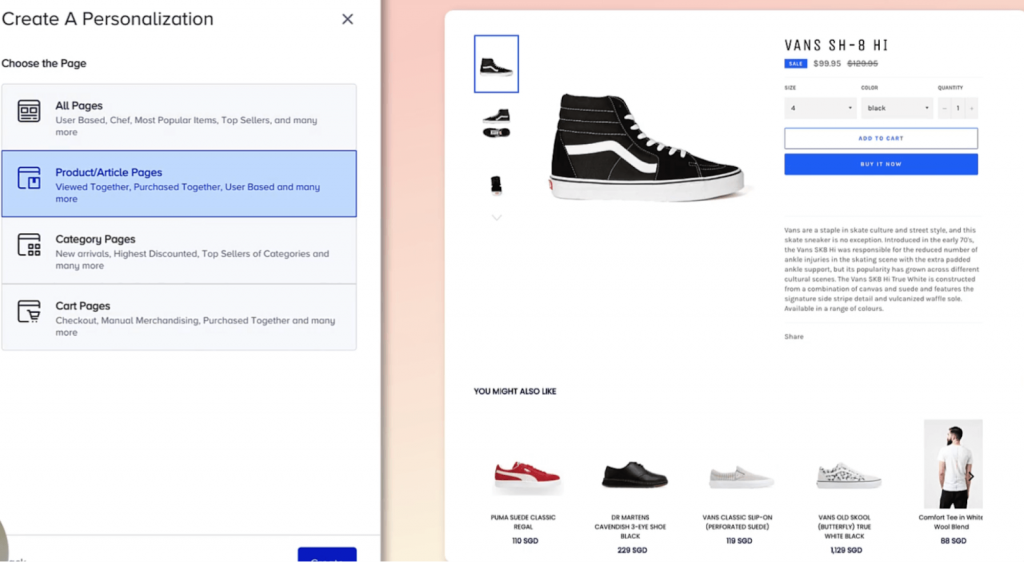
Personalization used to look backward. Now, AI anticipates what customers will need next and adapts messaging across every touchpoint before they ask.
3. Increased efficiency
What once took weeks of manual work now happens in minutes. AI automates analysis and visualization so teams can focus on creativity and strategy.
4. Customer satisfaction and loyalty
Every micro-interaction counts. AI tracks engagement and sentiment patterns to spot friction points early and optimize the experience before customers slip away.
The 7 stages of the AI-powered journey mapping (and how to optimize each)
Customer journeys rarely move in straight lines. Every click, search, and pause adds another layer to the story. AI brings structure to this complexity by analyzing real-time data, identifying intent, and adapting every touchpoint as customers move from awareness to advocacy.
Below is a complete view of how AI enhances each stage of the journey, along with practical ways to optimize every moment using platforms like Insider’s AI-powered omnichannel personalization and real-time nudges.
1. Awareness
During the awareness stage, customers are exploring, comparing, and forming impressions of your brand. Instead of relying on human intervention for every visitor, use AI systems like Insider to orchestrate intelligent engagement across channels.
Optimization strategy
AI-powered targeting, predictive audience modeling, and dynamic creative testing allow brands to reach the right people with the right message. Insider connects ad, web, and CRM data to ensure every impression fuels awareness and intent, not ad fatigue.
2. Consideration
At this stage, customers are actively weighing their options, such as comparing products, reading reviews, and deciding which brand best fits their needs. What keeps them engaged now is relevance.
AI makes that possible by analyzing browsing patterns, content engagement, and repeat visits to understand what customers are truly interested in. Instead of treating every visitor the same, it learns from behavior and adapts the experience in real time.
Optimization strategy
With Insider, brands can use predictive segmentation to identify high-intent visitors and tailor on-site experiences accordingly. The platform’s AI dynamically adjusts product recommendations, website content, and messaging to reflect each customer’s preferences as they develop. This creates a guided journey where every interaction feels intuitive, helpful, and one step closer to a confident decision.
3. Purchase
Customers at this stage are poised to act. They’ve evaluated their options and now expect a clear, effortless path to purchase. Any confusion or delay can cause them to second-guess their choice, making seamless experiences essential.
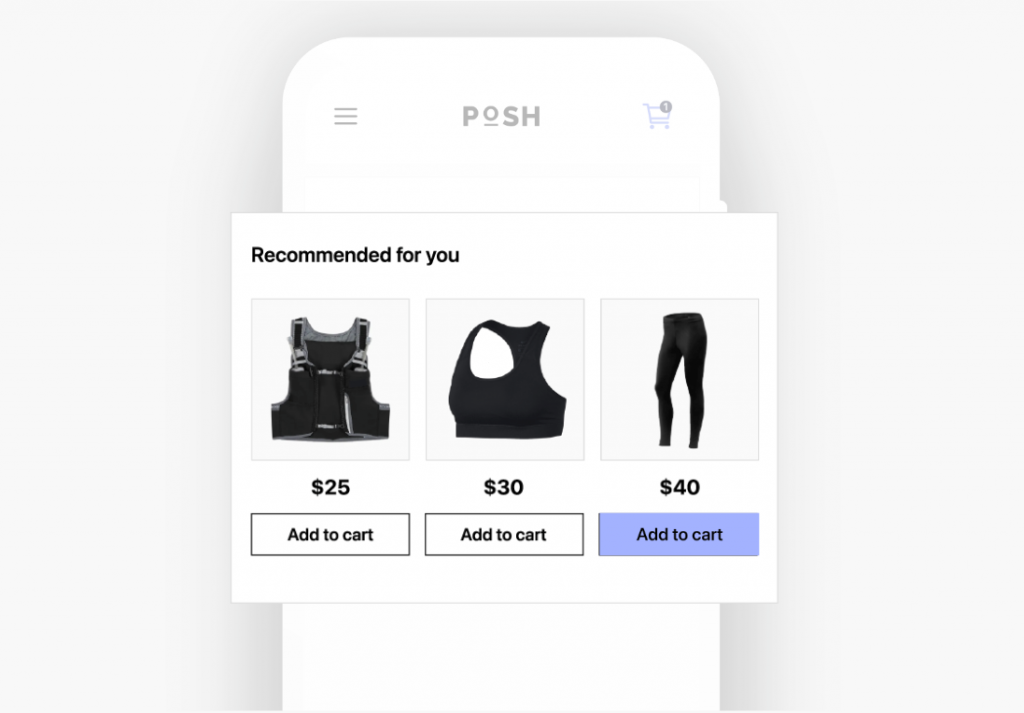
Conversational assistants, intelligent chatbots, and guided product recommendations ensure that buyers find what they need without friction. AI makes it easy to compare products, surface relevant details, and even highlight personalized incentives that nudge hesitant shoppers toward checkout.
Optimization strategy
With Insider’s omnichannel orchestration, every touchpoint from email, WhatsApp, SMS, and push works in sync to deliver a cohesive, confident buying experience that converts interest into action. Sirius AI triggers the right offer at checkout, recovers abandoned carts through predictive signals, and deploys conversational assistants that resolve last-minute doubts.
4. Onboarding
The first post-purchase interaction often decides whether customers stay engaged. AI personalizes onboarding journeys by analyzing customer goals and tailoring support content, tutorials, or chat experiences accordingly.
Optimization strategy
Deliver context-aware tutorials, in-app guidance, or proactive chat assistance based on behavior patterns. Insider’s AI-powered Customer Data Platform (CDP) unifies signals across touchpoints to ensure every new user receives relevant onboarding messages at the right moment.
5. Engagement
Once customers are onboarded, their engagement level depends on how consistently brands add value. AI keeps experiences fresh and contextually relevant by predicting what users are likely to explore next.
Optimization strategy
Deploy real-time personalized nudges, contextual product recommendations, and dynamic pricing offers that reflect customer intent.
Insider enables marketers to activate these interactions simultaneously across multiple channels, ensuring customers experience one cohesive brand story instead of fragmented campaigns.
6. Retention
Retention is less about reaction and more about prediction. AI identifies early signals of disengagement, such as declining activity, sentiment shifts, delayed responses, and prompts corrective action before customers drift away.
Optimization strategy
Use predictive churn models to flag at-risk users and trigger retention offers or win-back campaigns automatically. Insider’s AI engine provides real-time alerts and proactive offers, helping brands recover potential churn cases while they’re still reversible.
7. Advocacy
Loyal customers are the biggest revenue generators for any company. Customers at this stage reflect on their overall experience and contemplate the value they’ve gained. Their mindset is inclined towards expressing opinions, contributing feedback, and assessing the potential for continued loyalty.
AI recognizes them, nurtures them, and amplifies their voice. By analyzing sentiment, feedback, and purchase frequency, AI identifies advocates who are ready to share experiences or refer others.
Optimization strategy
Use AI-driven loyalty triggers, automated referral nudges, and personalized post-purchase follow-ups to sustain long-term relationships. With Insider, marketers can connect loyalty and referral campaigns to behavior data by rewarding engagement, collecting feedback, and strengthening emotional loyalty loops across every channel.
With Insider’s customer data unification platform, every stage becomes measurable, adaptive, and personalized. The result is a customer journey that feels less like a funnel and more like an ongoing conversation—intuitive, responsive, and built around what the customer needs next.
Build an AI-powered customer journey map with Insider
AI-powered mapping is more than analytics. It’s how leading brands design for responsiveness and growth. Here’s how to build your own adaptive framework:
1. Define clear goals
Every strong journey map starts with purpose. Decide what you want to achieve: Are you aiming to reduce churn, increase conversions, or strengthen loyalty? Defining measurable goals early ensures your map isn’t just an exercise in visualization but a strategic tool that aligns with business outcomes.
When using Insider, marketers can tie journey objectives directly to outcomes like conversion rate lift, engagement growth, or retention improvements, making impact easy to track.
2. Collect and unify customer data
A journey map is only as strong as the data behind it. Bring together information from every channel, your website, app, email, CRM, and even offline interactions—to create a complete view of the customer experience.
Insider’s Customer Data Platform (CDP) unifies these insights automatically, connecting behavioral, transactional, and engagement data into a single 360-degree profile. This foundation allows you to spot hidden connections and build journeys based on how customers actually behave, not how you assume they do.
3. Identify friction points with AI
Traditional journey mapping often stops at observation. Insider’s AI models analyze behavior patterns across journeys to identify where customers struggle or drop off. Maybe users are abandoning carts after shipping costs appear, or mobile app sessions spike but fail to convert. These insights reveal the “why” behind the “what,” helping teams take targeted action.
With Insider, brands can surface these friction points instantly and use predictive scoring to estimate which customers are most likely to churn—turning data into direction.
4. Build dynamic journey triggers
Once you understand customer behavior, it’s time to act on it. With Insider’s journey orchestration engine, you can build dynamic triggers that adjust to real-time signals. For instance, when a shopper views a product multiple times without purchasing, Insider can instantly trigger a personalized offer via WhatsApp or email.
This level of responsiveness transforms static journeys into living systems that react to customer intent as it happens.
5. Test, validate, and optimize
Use A/B testing to experiment with different messages, offers, and sequences. Validate which version drives better engagement and let Insider’s AI automatically prioritize the top performers across segments.
With A/B Winner Auto-Selection, you no longer have to track the A/B split test results manually. This feature is aimed at continuous optimization by automatically selecting the A/B winners, helping marketers make edits to the journeys faster and on the go.
This iterative improvement process ensures that customer journeys evolve and remain at the forefront of delivering exceptional experiences.
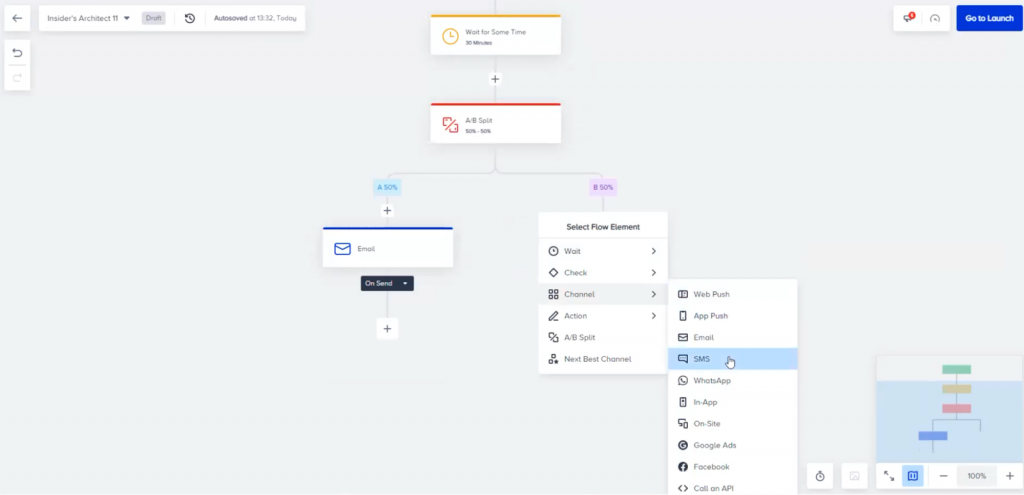
Want to learn more about how Architect can improve your omnichannel customer engagement? Or create effective journey maps with Insider? Book a demo with one of our experts today.